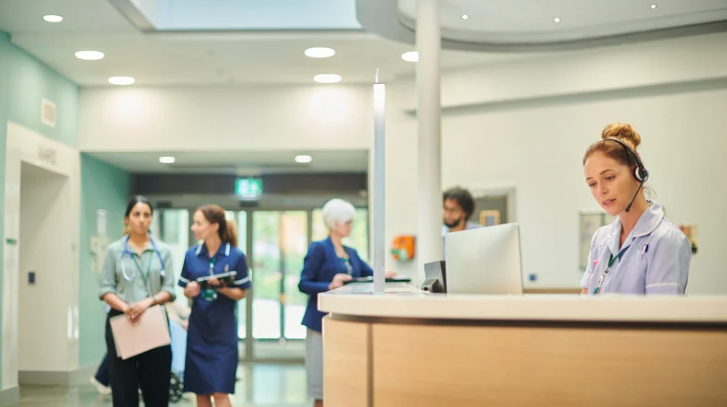
A nurse triage answering service plays a vital role in supporting both patients and medical practices by offering immediate clinical guidance when unexpected health concerns arise. Many practices rely on these services to maintain patient safety and reduce unnecessary strain on their staff. Within the first stage of understanding their importance it becomes clear how essential timely professional support can be especially when patients are unsure about the severity of their symptoms. Exploring how a nurse triage answering service works is easier when you consider how these services integrate into fundamental patient interactions.
How Nurse Triage Answering Services Support Patient Care
Providing professional clinical support after office hours requires expertise and structure. These services ensure patients receive dependable assessments rather than waiting anxiously for the next business day. Before considering the broader impact of triage, it is helpful to recognize how communication systems and patient engagement strategies work together in practice, as this overview of coordinated patient solutions illustrates. Trained nurses follow evidence-based protocols to evaluate symptoms and determine the appropriate level of care. They may advise callers to seek emergency attention, schedule an urgent appointment, or manage their concerns safely at home. By guiding patients toward the right next step, nurses help prevent avoidable complications and reduce the risk of delayed treatment. Their ability to listen carefully, provide reassurance, and communicate clearly enhances patient confidence during stressful moments.
Improving Efficiency Within Medical Practices
A nurse-led triage service also benefits medical teams by organizing and prioritizing patient needs. When nurses document their assessments, providers receive detailed information that supports better decision-making the following day. This reduces the volume of unnecessary messages and allows clinicians to focus on patients who truly require immediate care. It also fosters more efficient scheduling, as triage nurses categorize cases by urgency and symptoms.
These services also reduce unnecessary visits to urgent care centers or emergency departments, which can be costly and overwhelming for patients. Clinical studies continue to demonstrate that remote triage models help patients access the appropriate level of care safely and effectively. With a structured process in place, medical practices gain better control of patient flow and workload distribution. Staff burnout decreases, and the patient experience improves as individuals receive timely responses without feeling overlooked or underserved.
Strengthening Trust and Continuity of Care
Patient satisfaction is greatly influenced by how quickly and professionally concerns are addressed. When a clinical expert answers calls with compassion and accuracy, patients feel supported even outside standard office hours. This consistent availability helps build long-term trust, which is essential for maintaining strong patient-provider relationships.
A triage service also creates a seamless extension of the practice. Nurses follow established protocols and escalate cases only when necessary, ensuring that care decisions remain aligned with the practice’s standards. This continuity reassures patients that they are receiving informed medical guidance every time they reach out.
Conclusion
A nurse triage answering service enhances patient care, strengthens communication, and improves overall practice efficiency. By offering reliable symptom assessment and timely guidance, it supports a safer and more reassuring experience for individuals seeking clinical help. Practices benefit from streamlined operations, reduced unnecessary visits, and better-informed decision-making, which ultimately lead to higher-quality care and improved patient satisfaction.