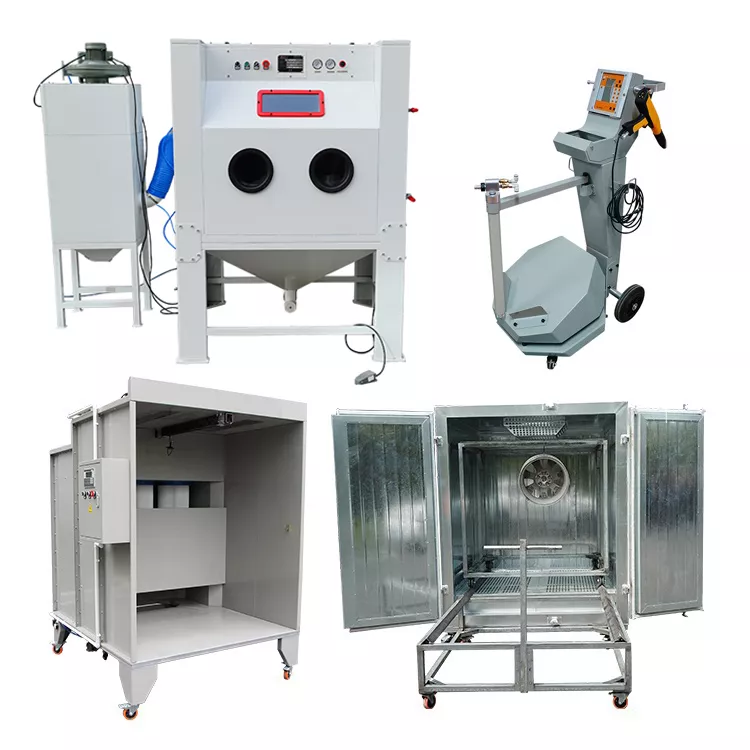
A production line often succeeds or struggles based on the equipment chosen long before the first coated part rolls through the oven. Powder coating operations rely on carefully matched equipment that handles part size, coating quality, and curing performance without slowing production. Selecting the right powder coating equipment package requires careful evaluation of layout, curing capacity, and operator workflow so every component works together smoothly.
Defining Part Size and Production Throughput Needs
Production planning starts with understanding the physical size of the parts that will move through the system. Large fabricated frames require different handling equipment than small brackets or panels.
Conveyor spacing, booth openings, and powder coating ovens must accommodate the largest components without restricting movement through the line. Throughput expectations also influence the type of powder coating equipment required.
Facilities processing high volumes often rely on continuous powder coating systems where parts move steadily through spray and curing zones. Equipment planners examine production schedules and coating thickness requirements to determine whether a compact powder coating oven for sale or a longer curing chamber better supports output targets.
Selecting Booth Style Based on Floor Space
The spray booth becomes the center of the coating process. Floor space determines whether a facility installs a compact batch booth or a longer conveyorized enclosure that connects directly to powder curing ovens. Limited floor space may require creative layouts that place booths and ovens in tight configurations while still allowing operators room to work safely.
Another factor involves airflow management within the booth area. Powder coating equipment must maintain clean air movement so overspray is captured and recycled when possible. Booth designs that match the available space help powder coating systems maintain consistent spray patterns while keeping surrounding areas free of drifting powder.
Matching Oven Length to Cure Time Targets
Curing performance depends heavily on the length of the oven chamber. Powder coatings require a specific temperature for a defined amount of time in order to melt, flow, and harden correctly. Engineers calculate conveyor speed and oven length together to ensure coated parts remain inside powder coating ovens long enough to reach proper cure.
Facilities that process thicker metal parts often require longer powder curing ovens because heavy components absorb heat slowly. Matching oven length to cure time ensures that coatings fully bond to the metal surface. This balance prevents undercured finishes and avoids wasting energy by overheating parts beyond the required cure cycle.
Choosing Reclaim Systems for Powder Efficiency
Overspray recovery plays a major role in operating costs. Powder coating systems often include reclaim equipment that captures unused powder and returns it to the spray process. A well-designed reclaim system improves powder efficiency while keeping the booth environment clean.
Reclaim options vary depending on the type of production being performed. High-volume operations typically rely on automated recovery units connected to powder coating equipment. Facilities handling frequent color changes may prefer simpler reclaim designs that allow faster cleaning between batches.
Reviewing Airflow Design for Clean Application
Airflow inside spray areas determines how cleanly powder applies to metal surfaces. Balanced airflow keeps overspray moving toward recovery filters without disturbing the spray pattern. Poor airflow can cause powder to swirl back toward the operator or settle unevenly on the part.
Air management systems work closely with powder coating equipment packages to maintain stable spray conditions. Engineers evaluate fan capacity, booth openings, and filter placement so powder coating continues smoothly even during long production runs.
Comparing Manual and Automated Spray Options
Application methods vary depending on production volume and part complexity. Powder coating operations often choose between manual spray stations and automated gun systems that coat parts as they pass through the booth.
Manual spraying offers flexibility for irregular shapes and short production runs. Automated spray equipment improves speed and consistency when large numbers of identical parts require coating. Facilities comparing powder coating equipment for sale frequently evaluate both options before selecting the approach that fits their production goals.
Planning Utility Requirements Before Purchase
Utilities support every stage of the coating process. Electrical power, compressed air, and natural gas must all be available before installing powder coating equipment.
Planning utility capacity early helps prevent delays during installation. Equipment planners typically review requirements such as:
- Electrical power needed for powder coating ovens and conveyor drives
- Compressed air supply for spray guns and powder pumps
- Gas or electric heating capacity for an industrial powder coating oven
- Ventilation airflow for booth exhaust systems
Utility planning ensures the powder coating equipment package integrates smoothly into the facility without unexpected infrastructure upgrades.
Evaluating Control Interfaces for Operator Ease
Modern powder coating systems include control panels that regulate conveyor speed, curing temperature, airflow systems, and safety interlocks. Clear operator interfaces allow technicians to monitor performance without needing extensive training on complex controls.
Operators benefit from displays that present temperature readings, airflow status, and conveyor activity in a simple format. Thoughtful control layouts improve daily workflow and reduce the chance of mistakes during production. Well-designed powder coating equipment allows technicians to adjust settings quickly while maintaining consistent curing performance.
Confirming Installation Support and Training Availability
Installing powder coating equipment involves more than simply placing machines on the factory floor. Conveyor alignment, burner calibration, and spray system setup require experienced technicians who understand how each system component interacts.
Training support helps operators understand the details of spray application, equipment maintenance, and curing temperature control. Facilities that invest in comprehensive training programs often experience fewer production interruptions once the powder coating systems begin operating.
Engineering teams with experience in designing and installing advanced powder coating equipment frequently assist manufacturers during planning and installation. Complete powder coating systems often include spray booths, conveyor systems, and powder coating ovens designed to match production demands.
Reliant Finishing Systems helps companies evaluate powder coating equipment packages, select efficient powder curing ovens, and implement coating systems built for reliable performance and long-term production growth.