
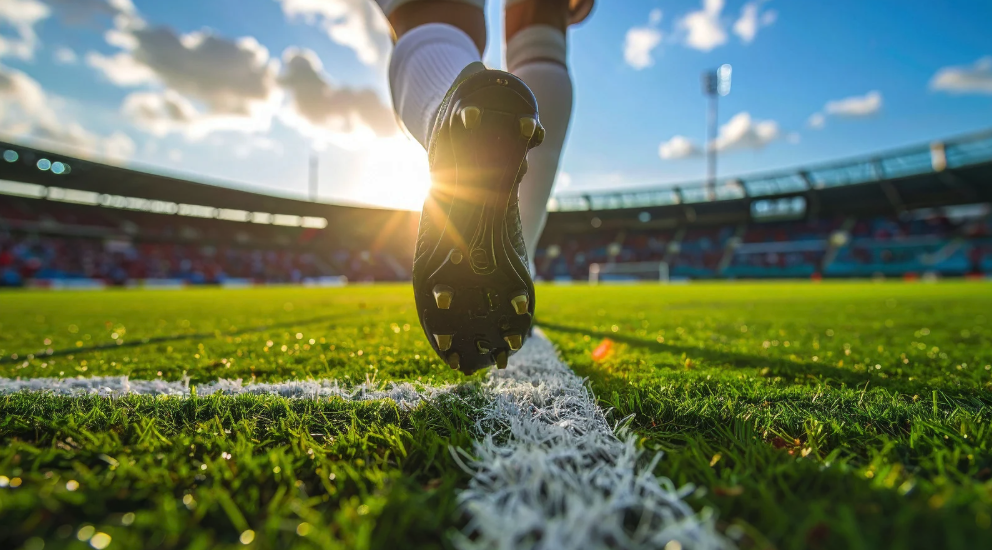
Field maintenance is a critical part of ensuring that sports grounds remain safe, clear, and visually appealing. Proper removal and reapplication of marking paint helps maintain clarity, ensures accuracy for games, and extends the lifespan of the grass surface. For many turf care teams using field marking paint for multipurpose fields, understanding the right technique for repainting football lines is essential. Below are the best practices that professional crews rely on to manage this process correctly and consistently.
Why Removing Old Paint Matters Before Reapplication
Old markings left on the field can create confusion, overlap with new lines, and reduce the visual clarity needed for accurate gameplay. Removing previous paint helps ensure the new markings are crisp, properly aligned, and safe for players.
Avoiding Common Mistakes in Field Painting
Maintenance teams often review the ultimate field maintenance checklist for sports facilities, which emphasizes the importance of consistent inspections, proper equipment care, and proactive upkeep to ensure player safety and long-term field performance. Following these guidelines helps avoid overlapping lines, inconsistent widths, and potential turf damage.
Assessing Field Conditions Prior to Paint Removal
Before beginning any removal, it is important to examine the field for wear, turf health, and existing markings. Weather conditions, turf wear, and field usage can all affect how paint removal and reapplication should proceed.
Preparing for Safe and Effective Paint Removal
Crews should check moisture levels, turf integrity, and recent use patterns. If the field is overly wet or damaged, postponing removal until conditions improve protects the grass and ensures better results. Evaluating the field first helps determine the best removal method and repainting schedule.
Choosing the Right Removal Method for the Paint and Surface
Not all field marking paints and surfaces respond the same to removal methods. It is essential to select a safe but effective method that removes paint without damaging grass or soil.
Gentle Removal to Preserve Turf Quality
Professionals often opt for low-pressure rinsing, soft scrubbing, or using mild paint removers designed for turf use. Harsh chemical treatments or aggressive scrubbing can damage grass, so careful, turf-friendly methods are preferred. After removal, rinse thoroughly to remove any residue that might interfere with new paint adhesion.
Allowing Turf to Recover Before Reapplication
After paint removal, turf may need a short recovery period, especially if the field experiences heavy use or recent maintenance. This downtime helps ensure that the grass remains healthy and can properly accept new paint.
Timing Repainting for Best Results
Reapplication works best when turf is dry, firm, and free of recent wear or mowing disturbances. Professionals schedule repainting early in the week or after light use to maximize durability and visibility of the new lines.
Conclusion
Removing old paint and reapplying markings on a football field involves diligent preparation, careful removal, turf-compatible techniques, and precise repainting. By assessing field conditions, using gentle removal methods, allowing turf recovery, applying new paint correctly, and giving fresh markings proper aftercare, maintenance teams can ensure a professional, durable, and safe playing surface. Proper planning and execution not only enhance the look of the field but also support consistent athletic performance and turf health.