
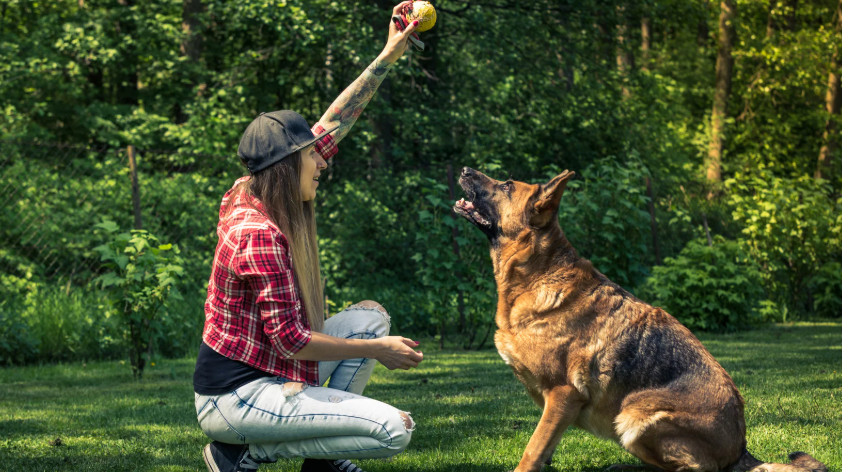
Aggression in dogs can stem from fear frustration uncertainty or past negative experiences. Helping these dogs requires more than simply teaching commands; it involves guiding them toward calmer emotional responses. Working with professionals who focus on aggressive dog training in Cumming gives owners access to structured methods that help dogs feel more secure and confident. Emotional regulation techniques play a vital role in transforming reactive behaviors into more controlled and positive responses. Understanding how these techniques work can support both safety and long term behavioral success.
Techniques That Support Behavioral Improvement
Several strategies help dogs develop emotional stability. One effective method is redirection which encourages dogs to shift their focus from the trigger to a calm behavior such as sitting or making eye contact. Over time these behaviors become default responses instead of aggression. Reward based approaches further strengthen desirable actions and allow dogs to feel more motivated and engaged.
Desensitization is another essential technique. It involves introducing the dog to stressful stimuli at low intensities and gradually increasing exposure as the dog becomes more comfortable. This approach lowers overall anxiety and teaches the dog that the trigger is not a threat. By reinforcing calm responses trainers help dogs feel more confident in previously challenging situations. Confidence building exercises are also valuable in aggression training. Activities that encourage problem solving or controlled exploration help dogs feel more secure in unfamiliar environments. When dogs trust their handlers and understand expectations they are less likely to rely on aggressive responses.
Understanding the Role of Emotional Regulation
Emotional regulation helps dogs learn how to manage their impulses and reactions in stressful situations. Many aggressive behaviors begin as fear based or defensive responses. When dogs feel overwhelmed they may growl lunge or bite as a way to protect themselves. Teaching emotional regulation offers dogs strategies to cope more effectively so they can choose calmer behaviors and build trust with their handlers.
Professional trainers often integrate foundational skills during early training sessions. These skills mirror the structure of dog obedience training which teaches dogs to respond to cues with consistency and focus. Obedience work serves as a framework for emotional regulation by helping dogs practice impulse control and follow guidance even when they feel uncertain. This foundation gradually reduces reactivity and builds a stronger relationship between the dog and owner.
Many emotional regulation techniques also rely on recognizing triggers. Whether it is another dog unfamiliar people or certain sounds identifying the root cause allows trainers to create structured exposure plans. This process helps dogs encounter triggers in a controlled way and learn healthier responses.
The Importance of Professional Guidance
Aggression can be complex and may escalate if addressed improperly. Working with professionals ensures that emotional regulation techniques are applied safely and effectively. Trainers evaluate each dog individually considering history temperament and environmental influences. This customized approach supports long term progress and reduces the likelihood of setbacks.
Professional training also helps owners build skills that promote consistency. Many cases of aggression improve significantly when owners learn how to maintain calm environments structure boundaries and offer positive reinforcement appropriately. By practicing these strategies at homeowners contribute to their dog’s emotional growth and stability. Regular training sessions also provide opportunities to monitor progress and adjust techniques as needed. As dogs gain confidence trainers may introduce more advanced exercises to strengthen emotional control and support continued improvement.
Conclusion
Emotional regulation techniques are essential for helping aggressive dogs develop calmer responses and build trust in their environments. Through structured guidance thoughtful exposure and consistent reinforcement dogs learn to manage their emotions more effectively. These methods support safety strengthen relationships and create lasting behavioral change.