
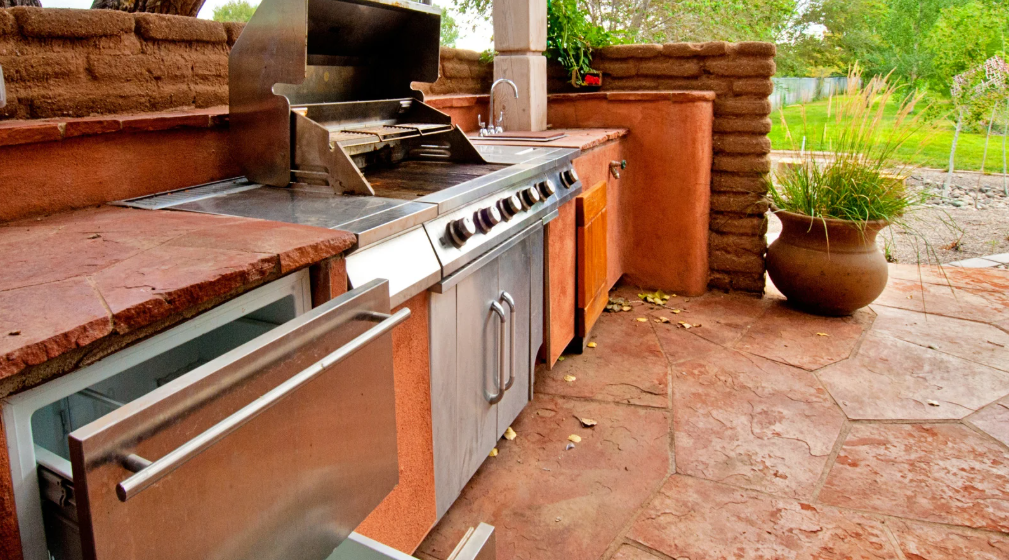
Designing an outdoor kitchen is an exciting way to expand your living space and create a functional, inviting area for cooking and entertaining. Many homeowners begin exploring options with professionals who specialize in outdoor kitchens in Johns Creek to ensure their plans align with structural requirements, layout possibilities, and long-term usability. An outdoor kitchen requires careful planning to balance beauty, practicality, and durability. Understanding the essential considerations will help you make informed decisions that support both daily use and long-lasting performance.
Determining the Best Location
The placement of your outdoor kitchen plays a major role in convenience, safety, and comfort. Factors such as proximity to the indoor kitchen, sun exposure, shade, and wind direction all influence an ideal layout. Professionals evaluate your yard’s existing features to recommend the most efficient and visually appealing location.
Access and Functionality
Easy access to utilities, seating areas, and entertainment spaces ensures your outdoor kitchen supports seamless gatherings. A well-chosen location enhances use without disrupting the flow of your outdoor environment.
Choosing Durable Materials
Outdoor kitchens must withstand weather, temperature changes, moisture, and regular use. Selecting durable materials for cabinetry, countertops, flooring, and appliances ensures longevity and minimizes maintenance. Experts guide homeowners toward materials that balance appearance with long-term resilience.
Weather-Resistant Construction
Stainless steel, stone, and specialized outdoor cabinetry are often recommended because they hold up well against exposure and maintain their structural integrity over time.
Planning for Utilities and Infrastructure
An outdoor kitchen requires proper hookups for water, gas, and electricity. Ensuring that all utilities meet safety codes is essential for performance and reliability. Professionals manage installation logistics to ensure your kitchen operates safely and efficiently.
Ventilation and Safety
Proper airflow is crucial, especially when installing grills or burners. Adequate ventilation reduces smoke buildup and ensures safe cooking conditions.
Designing a Functional Layout
Space planning is vital for creating a kitchen that works effortlessly. Zones for prepping, cooking, serving, and cleaning should be thoughtfully arranged. Experts develop layouts that maximize functionality while preserving an attractive outdoor aesthetic.
Ergonomics and Flow
Clear walkways, proper counter height, and strategic placement of appliances ensure the kitchen is comfortable and easy to use during gatherings.
Considering Deck Installations and Unique Surfaces
Some homeowners choose to build their outdoor kitchen on a deck or other elevated surface. Exploring an outdoor kitchen on a deck helps illustrate how structural load, ventilation, and material choices can influence the design. Professionals assess the weight capacity and safety requirements to ensure the installation is secure and compliant.
Structural Support and Reinforcement
Deck-based kitchens often require reinforcement to handle the weight of appliances, counters, and additional features. Proper evaluation prevents long-term damage and ensures safe use.
Conclusion
Designing your first outdoor kitchen requires thoughtful planning, durable materials, and professional expertise. By considering location, layout, utilities, and structural support, homeowners can create a beautiful and functional space tailored to their lifestyle. Working with knowledgeable outdoor kitchen experts ensures every detail is handled correctly, resulting in a long-lasting and enjoyable addition to your home.