
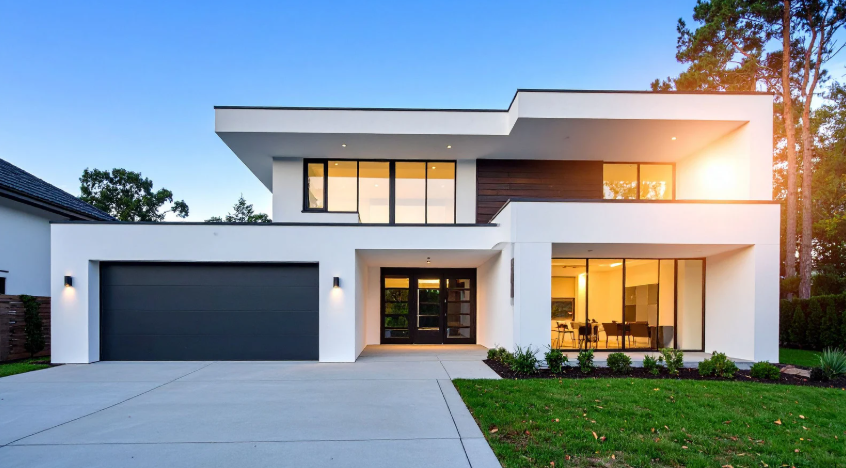
Our homes are more than just shelter; they are the environments where we recharge, connect, and grow. The layout, lighting, and flow of a living space have a profound, often subconscious impact on our mental health and daily well-being. While we might attribute stress to work or relationships, a cluttered or poorly designed home can frequently be a silent contributor. Working with skilled residential architects in Atlanta ensures that your home is crafted not just for physical comfort but also as a sanctuary that actively supports your psychological balance.
The Connection Between Space and Mind
Environmental psychology studies the relationship between human behavior and our surroundings. It reveals that specific architectural choices can trigger distinct emotional responses, influencing everything from stress levels to creativity.
Lighting and Mood Regulation
One of the most critical elements of psychological well-being in architecture is light. Natural sunlight is essential for regulating our circadian rhythms, which control sleep patterns and mood. Spaces designed with ample windows and skylights help boost serotonin levels, combating feelings of lethargy or depression. Conversely, relying heavily on harsh, artificial lighting can disrupt these natural cycles, leading to eye strain and fatigue. A thoughtful design prioritizes the path of the sun throughout the day, ensuring living areas are bathed in energizing light when it matters most.
Spatial Flow and Stress Reduction
The way we move through a home significantly affects our sense of control and calm. A layout that feels cramped or disjointed can create a subtle, constant level of anxiety. Open floor plans often promote a sense of freedom and social connection, while well-defined private nooks offer necessary retreat. Understanding the core principles of residential architecture design and function allows professionals to balance these needs. They create intuitive pathways that eliminate bottlenecks and frustration, allowing the inhabitants to move effortlessly through their daily routines without subconscious friction.
Privacy and Social Connection
A psychologically healthy home must strike a delicate balance between fostering social interaction and providing solitude. Humans have an innate need for both community and privacy, and architecture dictates how these needs are met.
Designated Zones for Retreat
In a busy household, the ability to escape to a quiet space is crucial for mental restoration. This does not necessarily mean a large, isolated room; it can be achieved through architectural niches, reading corners, or a strategically placed window seat. These “refuge” spaces allow individuals to decompress and process their thoughts away from the noise of communal areas. Without these designated zones, residents may feel overstimulated and unable to fully relax, leading to increased irritability and tension within the family dynamic.
Enhancing Social Bonding
Conversely, communal areas like kitchens and living rooms should be designed to encourage engagement. The placement of furniture, the acoustic qualities of the room, and sightlines all play a role in how people interact. A kitchen island that faces the living area, for example, invites conversation during meal prep, turning a chore into a shared experience. Design that facilitates positive social interactions contributes significantly to a household’s overall happiness and sense of belonging.
Conclusion
The design of our homes exerts a powerful influence on our mental state, shaping how we feel, sleep, and interact with others. By prioritizing elements like natural light, intuitive flow, and the balance between privacy and connection, architecture becomes a tool for wellness. Investing in a thoughtfully designed environment is not merely an aesthetic choice; it is a commitment to nurturing your mental health and enhancing your quality of life for years to come.