
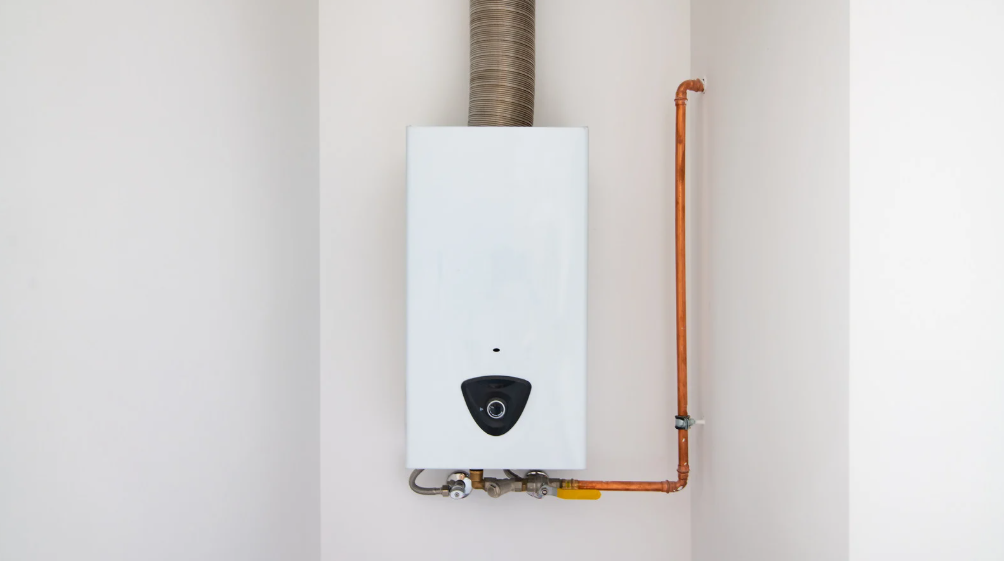
Upgrading to a tankless water heater offers significant benefits, including endless hot water and improved energy efficiency. However, realizing these advantages depends on selecting the correctly sized unit for your home’s specific needs. Unlike traditional tank models that are sized by gallon capacity, sizing a tankless unit involves calculating flow rate and temperature rise. Getting this calculation right is essential for performance. A professional evaluation of your needs for tankless water heaters in Dayton ensures you invest in a model that can keep up with your household’s demands without compromise.
Calculating Your Peak Flow Rate
The first step in sizing a tankless water heater is to determine the maximum amount of hot water your household might use at any single time. This is known as the peak flow rate, measured in gallons per minute (GPM).
Tallying Your Fixtures
To find your peak demand, list all the hot water fixtures in your home, such as showers, faucets, and appliances like dishwashers or washing machines. Each fixture has a standard flow rate. For example, a modern showerhead typically uses about 2.0 GPM, while a bathroom faucet might use 0.5 to 1.5 GPM. Add up the GPM for all the fixtures you expect to run simultaneously. This total represents the minimum GPM your new tankless unit must be able to produce to meet your busiest hot water moments.
Determining the Required Temperature Rise
The second critical factor is the temperature rise. This is the difference between the temperature of the incoming groundwater and your desired hot water output temperature, which is usually set around 120°F.
Accounting for Groundwater Temperature
Groundwater temperatures vary significantly depending on your geographic location and the time of year. In colder climates, the incoming water might be as low as 40°F, meaning your heater needs to raise the temperature by 80°F (120°F – 40°F). In warmer regions, the groundwater may be 70°F, requiring only a 50°F rise. This is an important part of understanding the complete benefits of these systems. A unit’s GPM output decreases as the required temperature rise increases, so accurately assessing this is vital.
Putting It All Together for the Right Fit
Once you have determined your required GPM and temperature rise, you can select the right unit. The performance of a tankless water heater is a trade-off between these two figures; a model might provide 5 GPM with a 50°F rise but only 3 GPM with an 80°F rise.
Consulting Professional Specifications
It is essential to look at manufacturer specifications, which detail a unit’s performance under various conditions. A qualified professional can interpret this data and match it to your household’s specific needs. They will consider your peak demand and local climate to recommend a model that will deliver consistent hot water without being oversized and inefficient. The proper sizing is crucial for maximizing the energy savings that tankless technology offers. An undersized unit will fail to provide adequate hot water, while an oversized one is an unnecessary expense.
Conclusion
Choosing the right size for your tankless water heater is a critical step that directly impacts its performance and your satisfaction. By carefully calculating your household’s peak flow rate and the required temperature rise, you can ensure your new system meets your needs efficiently. Because these calculations involve several variables, consulting with a seasoned professional is the most reliable way to make an informed decision. This ensures your investment provides an endless supply of hot water and optimal energy savings for years to come.