
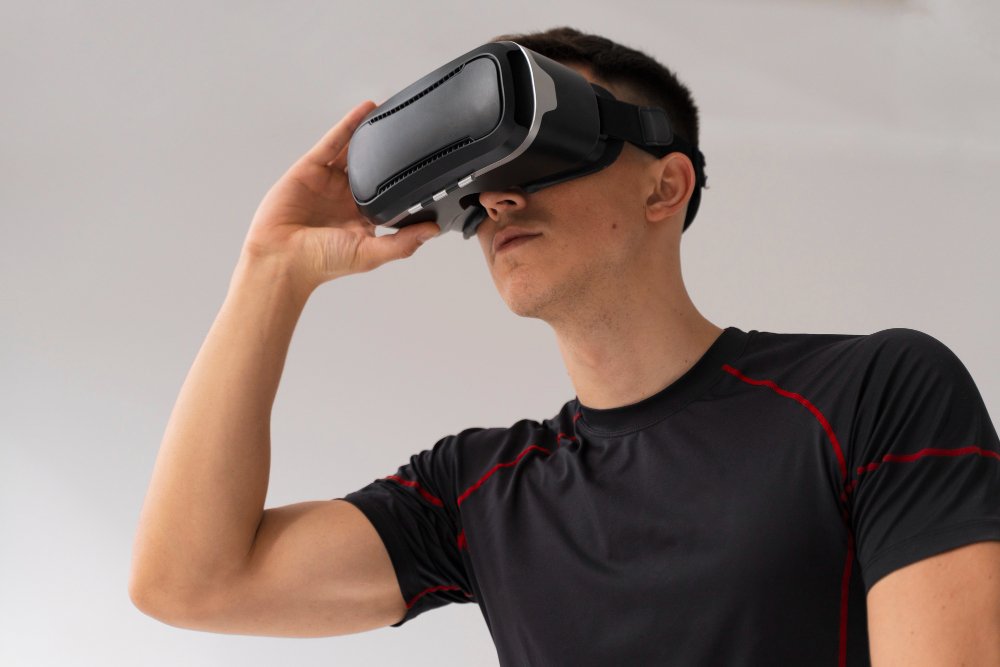
Law enforcement agencies face the ongoing challenge of preparing officers for a wide range of situations that require sound judgment, effective communication, situational awareness, and rapid decision-making. Modern policing environments can be unpredictable, and officers are often expected to respond appropriately to circumstances that evolve quickly and involve numerous variables. As training requirements continue to expand, agencies are exploring new methods that complement traditional instruction while improving learning outcomes. One approach gaining increasing attention is VR training for law enforcement, which provides immersive and interactive experiences designed to enhance officer preparedness in a safe and controlled setting.
Virtual reality technology has advanced significantly in recent years, making it more accessible and practical for professional training applications. Unlike traditional classroom learning, virtual reality places participants directly within simulated environments where they can actively engage with realistic scenarios. This immersive approach allows officers to practise skills, apply knowledge, and experience the consequences of their decisions in ways that are difficult to replicate through lectures or written materials alone.
One of the primary reasons agencies are investing in virtual reality training is the need to provide realistic experiences without exposing officers or members of the public to unnecessary risk. Many law enforcement situations involve uncertainty, emotional tension, and rapidly changing conditions. Recreating these circumstances in real-world training environments can be challenging, expensive, and sometimes impractical.
VR training for law enforcement allows agencies to simulate a wide variety of situations while maintaining complete control over the environment. Officers can participate in realistic exercises that test their decision-making abilities without the risks associated with live training scenarios. This capability creates valuable learning opportunities while preserving safety for everyone involved.
Decision-making is one of the most important competencies developed through virtual reality training. Officers frequently encounter situations where they must assess information, evaluate options, and make choices within a limited timeframe. These decisions often influence both immediate outcomes and broader public perceptions of law enforcement professionalism.
Traditional training methods can teach policies and procedures, but immersive simulations allow officers to apply that knowledge under conditions that feel more realistic. By repeatedly practising decision-making within virtual environments, participants can strengthen their ability to remain focused and effective when faced with complex situations.
Another reason agencies are adopting virtual reality is the ability to provide consistent training experiences. Traditional scenario-based exercises often depend on role players, instructors, facilities, and scheduling considerations. Variations in these elements can sometimes result in different learning experiences for participants.
Virtual reality systems offer greater consistency because scenarios can be delivered repeatedly while maintaining the same core conditions. This standardisation helps ensure that officers receive comparable training opportunities and allows agencies to evaluate performance more effectively across different groups.
The flexibility of virtual reality training also contributes to its growing popularity. Law enforcement agencies serve communities with unique characteristics and operational needs. Training programmes must therefore address a wide range of situations that officers may encounter throughout their careers.
VR training for law enforcement can be adapted to reflect specific training objectives, local priorities, and organisational goals. Scenarios can focus on communication skills, crisis response, investigative interactions, public engagement, tactical awareness, or numerous other areas relevant to modern policing. This adaptability allows agencies to tailor training experiences according to their specific requirements.
Communication is another critical area where virtual reality can support officer preparedness. Many law enforcement encounters depend heavily on effective verbal communication. Officers may need to gather information, calm tense situations, provide instructions, or engage with individuals experiencing emotional distress.
Virtual scenarios often include interactive characters capable of responding to participant actions and decisions. Officers must listen carefully, interpret information, and communicate effectively while managing the overall situation. These experiences help reinforce communication skills in environments that feel more authentic than traditional classroom discussions.
Stress management is also an important component of officer preparedness. Real-world incidents can involve pressure, uncertainty, and competing demands that challenge an individual’s ability to remain composed. While no simulation can perfectly replicate operational realities, virtual environments can create conditions that encourage participants to practise functioning effectively under increased cognitive and emotional demands.
Repeated exposure to challenging scenarios allows officers to develop familiarity with high-pressure situations while refining their ability to think clearly and respond appropriately. This experience can contribute to greater confidence and preparedness when facing similar circumstances in the field.
Another advantage of virtual reality training is its ability to support continuous learning throughout an officer’s career. Preparedness is not something achieved solely during academy training. Professional development remains important as responsibilities evolve, policies change, and new challenges emerge.
VR training for law enforcement provides opportunities for ongoing skill reinforcement and development. Officers can revisit scenarios, practise newly learned techniques, and engage with updated training content as organisational needs change. This continuous learning model helps agencies maintain high standards of preparedness over time.
Resource efficiency is another factor influencing adoption. Traditional training exercises often require extensive planning, dedicated facilities, equipment, transportation, and personnel. While these methods remain valuable, they can also place significant demands on organisational resources.
Virtual reality allows agencies to conduct a variety of training exercises within a controlled environment that can often be deployed more efficiently. This increased accessibility enables organisations to provide more frequent training opportunities without requiring the same level of logistical coordination associated with large-scale live exercises.
The ability to expose officers to rare or unusual scenarios is particularly valuable. Certain incidents may occur infrequently but still require a high level of preparedness. Because these situations are uncommon, opportunities for practical experience may be limited.
Virtual reality allows agencies to introduce officers to a wider range of circumstances than they might otherwise encounter during traditional training programmes. This broader exposure helps prepare participants for situations that may be uncommon but still operationally significant.
Performance review capabilities further enhance the effectiveness of virtual training. Many systems allow instructors and participants to review completed scenarios in detail. Decisions, communication techniques, situational awareness, and procedural responses can be analysed to identify strengths and opportunities for improvement.
This structured feedback process supports reflective learning and helps participants gain a deeper understanding of their performance. Rather than relying solely on memory, officers can examine specific moments within a scenario and consider alternative approaches where appropriate.
Community expectations regarding professionalism, accountability, and effective policing continue to evolve. Agencies recognise the importance of preparing officers not only to respond to incidents but also to engage with the public in ways that build trust and confidence. Training programmes must therefore support a broad range of competencies beyond technical procedures alone.
Virtual reality contributes to this objective by creating opportunities to practise communication, judgment, empathy, problem-solving, and situational awareness within realistic contexts. These experiences help officers develop skills that are relevant to both operational effectiveness and community engagement.
As technology continues to advance, agencies are increasingly recognising the value of immersive learning environments as part of a comprehensive training strategy. VR training for law enforcement is not intended to replace traditional instruction, field experience, or practical exercises. Instead, it serves as a powerful complement that expands training possibilities and supports more diverse learning experiences.
By providing realistic scenarios, encouraging active participation, supporting decision-making practice, and enabling continuous skill development, virtual reality helps enhance officer preparedness in meaningful ways. As law enforcement agencies seek effective methods for preparing personnel to meet modern challenges, virtual reality is becoming an increasingly important tool in the pursuit of professional excellence and operational readiness.