
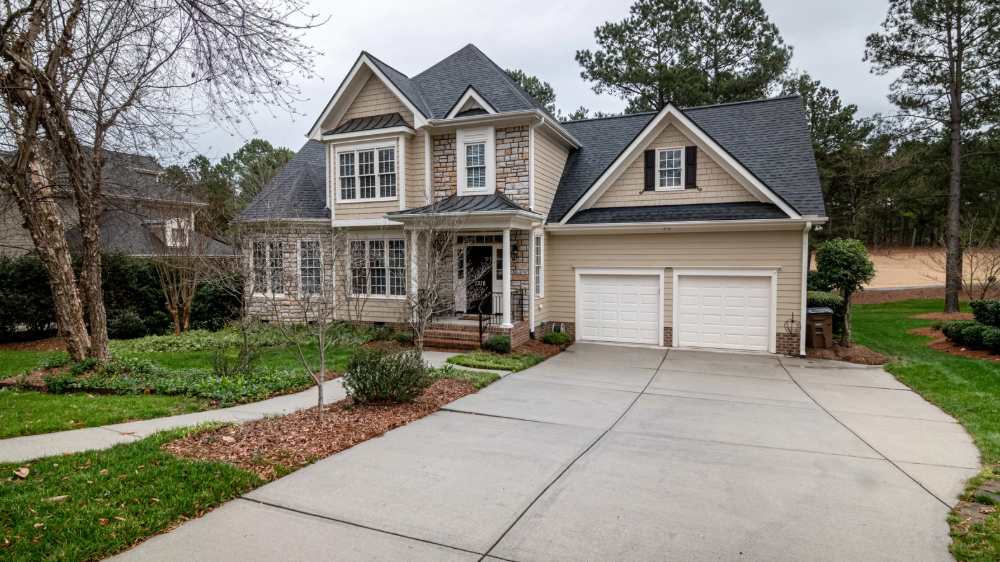
Buying a house is a major life decision, and more buyers are weighing the benefits of new construction versus older homes. An existing property may look convenient at first, but it often comes with hidden compromises that only show up after moving in. Building a home gives you control over design, materials, and comfort from the start. It also reduces the risk of immediate repairs and outdated systems. For families exploring new home construction in Ooltewah, TN, the long-term advantages often make building the smarter option.
You get a home designed for your life
One of the biggest reasons building wins is personalization. Instead of adjusting your lifestyle to someone else’s layout, you create a floor plan that fits how you actually live. You can prioritize open gathering spaces, private work areas, larger bedrooms, or flexible rooms that adapt over time. This level of control is almost impossible when buying an existing home unless you plan a major renovation.
A custom or semi-custom build also allows you to choose finishes that match your taste right away. Flooring, counters, paint tones, lighting style, and storage features can be selected as part of the plan, so you are not living with choices you intend to replace later.
New construction reduces surprise costs
Older homes can hide expensive issues under the surface. Aging roofs, worn plumbing, outdated wiring, and inefficient insulation may not look urgent during a showing, yet they can become costly within the first few years. Even well-maintained properties still carry wear that comes from decades of use.
A newly built home starts fresh. Structural elements, mechanical systems, and major appliances are new and installed to current standards. That means fewer emergency repairs and more predictable ownership costs. Instead of budgeting for unknown fixes, you can plan confidently for long-term maintenance.
Energy efficiency and comfort are built in
Modern building standards put a strong focus on efficiency. New homes use improved insulation, better window technology, tighter building envelopes, and updated heating and cooling systems. This reduces energy waste and keeps indoor temperatures more stable throughout every season.
In contrast, older homes often require upgrades to match these performance levels. Without them, owners pay more for heating and cooling while still dealing with drafts or uneven comfort. When you build new, efficiency is part of the foundation, not a later project.
Modern safety and building standards
Building codes evolve for a reason. New construction follows current safety rules for electrical systems, fire resistance, structural loads, and storm resilience. This matters in regions where weather extremes can test a home quickly.
An existing home may have been built under older codes that did not account for today’s safety expectations. Updating those systems later can be expensive and disruptive. With new construction, safety is integrated from the first frame to the final finish.
Storage and usability are easier to plan well
Storage is one of the most common frustrations in older homes. Closets may be smaller, pantries limited, and garages not designed for modern needs. New builds let you solve this before moving in by planning storage zones intentionally.
Understanding how to maximize storage in your new home construction while planning helps you build in smart space for daily essentials from the very beginning. When storage is built into the layout, your home stays organized without needing extra furniture or future additions.
Conclusion
Building a new home offers clear advantages over buying an existing property. You gain a layout tailored to your life, modern systems that reduce surprise costs, better efficiency, and up-to-date safety standards. You also get the chance to design storage and daily usability into the structure instead of fixing limitations later. For many buyers, investing in new construction is not just about getting a new house; it is about getting a home that fits, performs, and lasts.